
















1823: Döbereiner's Lamp — The Chemical Origin of Modern Lighters
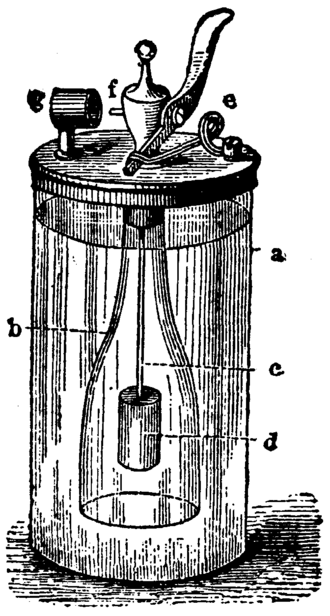
(Lighter History Series)Döbereiner's Lamp Diagram
Döbereiner's Lamp structural diagram (Public Domain)In 1823, German chemist Johann Wolfgang Döbereiner invented the world's first practical lighter — the Döbereiner's Lamp (also known as Döbereiner's Feuerzeug). This groundbreaking device predates the friction match (invented by John Walker in 1826) by three years and is widely regarded as the starting point of modern lighter technology. It represents the first commercial application of heterogeneous catalysis and remains a milestone in the history of fire-starting tools.
(Lighter History Series)Döbereiner's Lamp Diagram
Döbereiner's Lamp structural diagram (Public Domain)In 1823, German chemist Johann Wolfgang Döbereiner invented the world's first practical lighter — the Döbereiner's Lamp (also known as Döbereiner's Feuerzeug). This groundbreaking device predates the friction match (invented by John Walker in 1826) by three years and is widely regarded as the starting point of modern lighter technology. It represents the first commercial application of heterogeneous catalysis and remains a milestone in the history of fire-starting tools.
How Döbereiner's Lamp Worked: Chemical Magic Without SparksThe lamp relied on a chemical catalytic reaction rather than friction or electrical sparks.Key Components and Operating Principle:
Glass Container: The bottom held dilute sulfuric acid, with zinc metal inside.
Hydrogen Generation: When the valve was opened, sulfuric acid reacted with zinc to produce hydrogen gas (Zn + H₂SO₄ → ZnSO₄ + H₂↑).
Platinum Catalysis: The hydrogen gas was directed onto a platinum sponge (platinum catalyst). The platinum caused the hydrogen to rapidly combine with oxygen in the air, generating intense heat that ignited the gas and produced a stable flame.
Instant On/Off: Closing the valve stopped the reaction immediately, making it highly convenient.
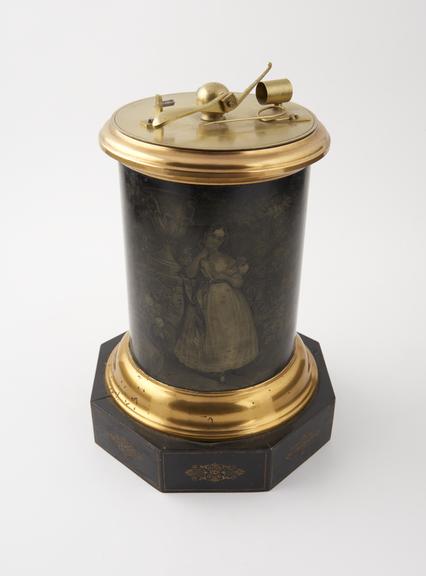
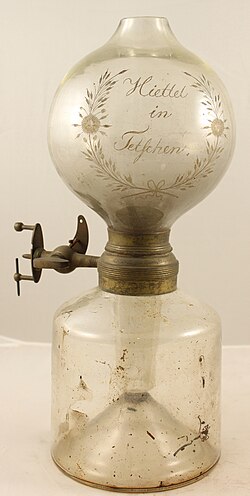
Döbereiner's Lamp Real Historical Example
Science Museum Group collection: German Döbereiner's Lamp (1823–1889)This spark-free ignition technology was revolutionary for its time. Döbereiner noticed that a stream of hydrogen directed at platinum would spontaneously ignite, leading directly to this practical invention.
Science Museum Group collection: German Döbereiner's Lamp (1823–1889)This spark-free ignition technology was revolutionary for its time. Döbereiner noticed that a stream of hydrogen directed at platinum would spontaneously ignite, leading directly to this practical invention.
Commercial Success and Historical ImpactIn the 1820s, over 20,000 to a million Döbereiner's Lamps were sold in Germany and Britain. The famous poet Johann Wolfgang von Goethe was not only a user but also a supporter of Döbereiner’s research, even writing poems in his honor.
Primarily used for lighting pipes, candles, and fireplaces, the device was somewhat bulky due to its glass construction and acid content. Production continued until around 1880, when safer and more portable matches and later lighters replaced it.
Scientific Significance: It was the first large-scale commercial use of platinum catalysis, laying the foundation for catalytic chemistry and influencing future lighter technologies.Historical Museum Artifact
Another view of a preserved Döbereiner's Lamp from museum collections
Another view of a preserved Döbereiner's Lamp from museum collections
From Döbereiner's Lamp to Modern Gas LightersAlthough the Döbereiner's Lamp eventually faded due to portability and safety concerns (acid and glass), it pioneered the era of convenient portable fire. It paved the way for gasoline lighters (such as Zippo), butane gas lighters, and today's disposable electronic lighters.In the lighter manufacturing industry, this history is more than a technical evolution — it embodies the spirit of innovation and safety. From risky chemical reactions to today's precision valve controls and child-resistant designs, the industry continues to balance convenience with responsibility.Conclusion
In 1823, with a bottle of acid, a bit of zinc, and precious platinum, Döbereiner's Lamp lit the first chapter of the modern lighter story. Every "click" today carries over 200 years of chemical wisdom and craftsmanship behind it.If you are interested in lighter history, manufacturing processes, or premium butane lighters, feel free to explore more articles on our site or browse our product collection — inheriting classics while lighting up quality living!
In 1823, with a bottle of acid, a bit of zinc, and precious platinum, Döbereiner's Lamp lit the first chapter of the modern lighter story. Every "click" today carries over 200 years of chemical wisdom and craftsmanship behind it.If you are interested in lighter history, manufacturing processes, or premium butane lighters, feel free to explore more articles on our site or browse our product collection — inheriting classics while lighting up quality living!