
1903: The Invention of Ferrocerium (Iron-Cerium Alloy) — The Spark That Ignited Modern Lighters
(Lighter History Series)Carl Auer von Welsbach Portrait
Carl Auer von Welsbach (1858–1929), Austrian chemist and inventor of ferroceriumIn 1903, Austrian chemist Carl Auer von Welsbach patented ferrocerium (also known as Auermetall), a revolutionary pyrophoric alloy primarily composed of iron and cerium. This invention is often called the "flint" in modern lighters — though it is not natural flint — and became the key breakthrough that enabled practical, reliable pocket lighters. It transformed fire-starting from a cumbersome chemical or mechanical process into a simple, portable spark.
(Lighter History Series)Carl Auer von Welsbach Portrait
Carl Auer von Welsbach (1858–1929), Austrian chemist and inventor of ferroceriumIn 1903, Austrian chemist Carl Auer von Welsbach patented ferrocerium (also known as Auermetall), a revolutionary pyrophoric alloy primarily composed of iron and cerium. This invention is often called the "flint" in modern lighters — though it is not natural flint — and became the key breakthrough that enabled practical, reliable pocket lighters. It transformed fire-starting from a cumbersome chemical or mechanical process into a simple, portable spark.
What Is Ferrocerium and How Does It Work?Ferrocerium is a pyrophoric alloy — meaning it spontaneously ignites or produces hot sparks when abraded. The classic early composition was approximately 70% cerium and 30% iron, with later variants adding lanthanum and other rare earth elements for brighter, hotter sparks.Spark Generation Process:
A steel wheel or striker scrapes against the ferrocerium rod.
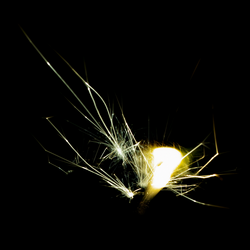
Tiny particles of the alloy are shaved off and instantly oxidize in air.
This oxidation produces sparks reaching temperatures over 1,000°C (1,800°F), hot enough to ignite lighter fuel (naphtha or butane).
Ferrocerium Flint in Lighter
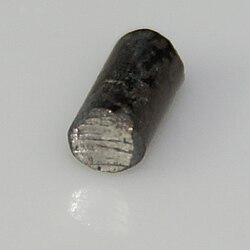
Close-up of a ferrocerium "flint" rod from a classic lighter (Public domain/Wikimedia)Unlike natural flint (which relies on striking steel to create sparks), ferrocerium is synthetic and far more efficient. It is still the standard "flint" used in virtually all wheel-operated lighters today.
Close-up of a ferrocerium "flint" rod from a classic lighter (Public domain/Wikimedia)Unlike natural flint (which relies on striking steel to create sparks), ferrocerium is synthetic and far more efficient. It is still the standard "flint" used in virtually all wheel-operated lighters today.
Historical Context and Commercial ImpactVon Welsbach developed ferrocerium while researching rare earth elements for improving gas lamp mantles. He recognized its potential for ignition devices and secured patents in 1903 (U.S. Patent 837,017 filed that year).
Production scaled up quickly. By 1907, factories (including those linked to his companies) began mass-producing the alloy. This innovation directly fueled the growth of iconic lighter brands in the early 20th century, such as Ronson and others, shifting the industry toward compact, user-friendly designs.
From Döbereiner to Modern Era:
Following the 1823 Döbereiner Lamp (chemical hydrogen ignition), ferrocerium provided a much simpler mechanical spark solution. It bridged the gap to gasoline and later butane lighters, making reliable portable fire accessible to millions.Early 20th Century Lighter with Ferrocerium
Vintage early petrol lighter using ferrocerium flint mechanism (historical example)
Following the 1823 Döbereiner Lamp (chemical hydrogen ignition), ferrocerium provided a much simpler mechanical spark solution. It bridged the gap to gasoline and later butane lighters, making reliable portable fire accessible to millions.Early 20th Century Lighter with Ferrocerium
Vintage early petrol lighter using ferrocerium flint mechanism (historical example)
Lasting Legacy in Lighter ManufacturingFerrocerium remains essential in lighter production over 120 years later. Modern flints may include refined rare earth mixes for durability and performance, but the core principle is unchanged. This alloy enabled:
The 1903 invention of ferrocerium (iron-cerium alloy) was the spark that truly lit the modern lighter era. What was once a laborious chemical process became a quick "flick of the wheel." This innovation continues to power billions of lighters worldwide, carrying forward over a century of ingenuity in every reliable flame.If you're passionate about lighter history, manufacturing craftsmanship, or premium butane lighters, explore more articles on our site or check our quality product range — where history meets everyday reliability.
Reliable spark in all weather conditions
Compact, affordable pocket lighters
The foundation for both disposable and premium refillable models
The 1903 invention of ferrocerium (iron-cerium alloy) was the spark that truly lit the modern lighter era. What was once a laborious chemical process became a quick "flick of the wheel." This innovation continues to power billions of lighters worldwide, carrying forward over a century of ingenuity in every reliable flame.If you're passionate about lighter history, manufacturing craftsmanship, or premium butane lighters, explore more articles on our site or check our quality product range — where history meets everyday reliability.